If you’re trying to grow organic traffic in 2026, you can do everything right on-page and still watch your best content sit there unused like my last month’s gym membership.
The missing ingredient has been the same for decades. The benefits of link building are stronger rankings, faster discovery of your content, more credibility, referral traffic that converts, steadier search performance, and a better chance of being cited in AI answers — not from chasing volume, but from earning the kind of editorial mentions that search engines and buyers trust on a web crowded by AI results and competitive SERPs.
At Tlinks, we have found a simple model after years of running outreach for growth-minded SaaS founders and heads of growth or marketing at startups and mid-sized tech companies: links are the internet’s receipts. When another site cites you, it tells search engines — and humans — that your page is worth attention, which is why even strong content often stalls without them.
Below, we’ll break down how those benefits show up in practice, from SEO rankings, trust signals, and crawl discovery to referral traffic, broken link building, guest posting, digital PR, AI-search visibility, and how tools like Ahrefs support a link-building strategy built for sustainable sign-ups, trials, and long-term organic growth.
Benefits of link building in 2026: the big picture
Links still matter. Simple as that. The number of referring domains pointing to a page shows the strongest correlation with Google rankings, and links still influence search engine rankings and visibility in search engine results pages, yet more than 66% of pages have zero backlinks.
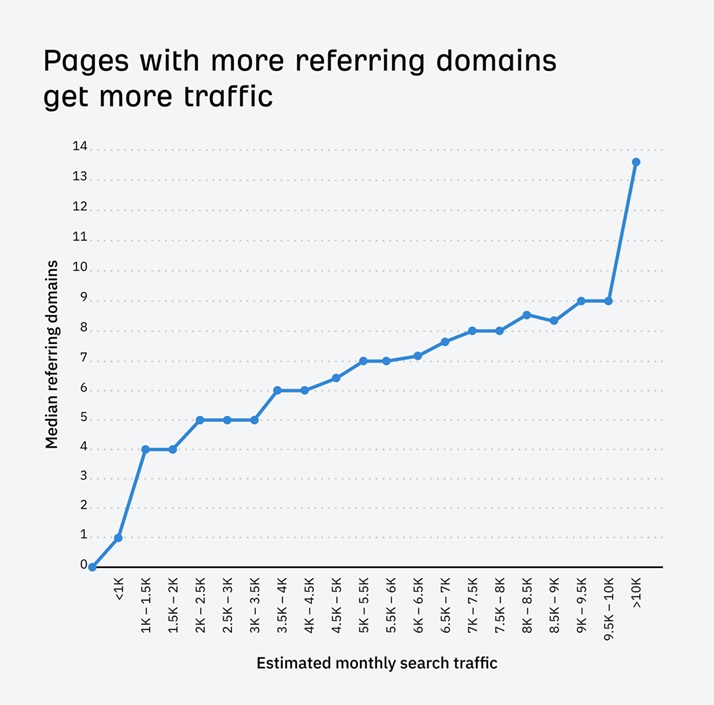
Source: Ahrefs
But we’re not in 2016 anymore, and the benefits of link building go beyond just ranking higher. On the modern stage, we need to factor in things like credibility and resilience when Google’s layout, AI Overviews, and answer-first experiences reshape what traffic even means.
Backlink authority is still associated with showing up in AI-generated answers, especially once you cross certain authority tiers, which is a reminder that stronger links can lift a website’s authority and contribute to higher search engine rankings, so the benefits of link building now extend beyond blue links.
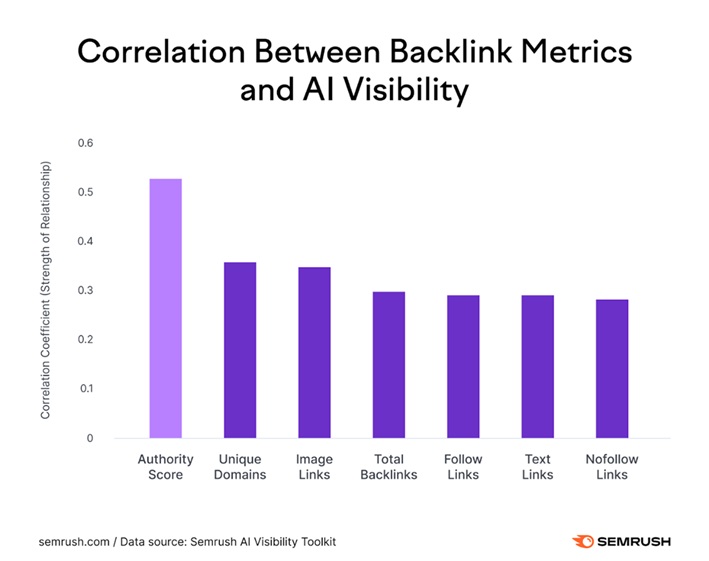
Source: Semrush
Our quick, non-mystical definition of link building
We’ve covered this topic before on our blog, but let’s just say that at its core, link building is a core part of search engine optimization: earning website links from other websites to yours, with those mentions acting as authority signals. That’s it.
In practice, that means building assets worth citing, such as data, tools, and clear guides, then doing the soft work: building relationships through outreach and collaboration, so those assets actually get seen.
But not all links are “good links”. In fact, not all backlinks pass equal value, and nofollow links usually offer less direct SEO impact even though they can still help with visibility and trust. Google’s spam policies explicitly call out buying/selling links, excessive exchanges, and manipulative tactics like link farms that violate Google’s guidelines. So the safest benefits of link building come from relevance and real-world usefulness, rather than from manufacturing signals.
If you’re starting from scratch, you’ll probably get the most mileage from a small set of repeatable link building strategies tailored to your niche and funnel stage, within a broader link building strategy that depends on creating valuable content rather than shortcuts.
Benefits of link building for SEO
Instead of spitting out a generic list of link building benefits like authority, traffic, and brand awareness, and calling it a day, we thought we’d give you something actionable. Below are 10 specific benefits of link building, along with what causes them, and what you can measure to make sure you’re getting them.
Benefit #1: Ranking lifts that come from unique referring domains
The most obvious benefits of link building for SEO show up when you’re trying to rank for terms where content quality is already a given, and the trick is diversification.
Referring domains consistently outperform total backlinks as the signal that lines up with better rankings, so don’t obsess over getting a second and third link from the same site. If you can earn one strong mention, move on and expand your domain diversity. That matters more than asking how many backlinks a page has, because quality backlinks from authoritative websites carry more weight.
For the most powerful benefits of link building, Moz has long emphasized building a varied link profile and focusing on durable, natural link acquisition instead of patterns that look manipulative. In practice, natural backlinks from credible sources pass more ranking power and link juice than many low-quality links.
Benefit #2: More trust signals
Another example of how link building is helping SEO is purely psychological. Links are social proof.
When a reader sees your page cited by a respected publication, those high authority links pass more authority, strengthen your site’s perceived authority, and make the sale easier, and when Google sees your content repeatedly referenced in a niche, it gets more confident you’re not a random page that appeared yesterday. Those editorial mentions also help build authority over time.
So, prioritize authority links that look like actual editorial citations, meaning they’re placed where a writer would naturally reference a source, over links that look like SEO placements for the sake of backlinking.
Benefit #3: Better crawl discovery and faster indexing
If your site has ever felt like it publishes content into the void, this is another one of the benefits of link building that will interest you.
Basically, new pages are often discovered when crawlers extract a link from a known page to a new page. When that happens, the linked page is usually found faster, and the web page can start appearing in search engine results sooner. This means that, whenever you publish something important, you need to link to it early. Don’t wait months hoping that Google will notice it just because it’s quality content, and remember that internal links also help pass link equity to important pages.
Benefit #4: Referral traffic that converts
In SEO circles, we often forget that backlinks are also just links, which means a good placement sends real humans your way. Placements on relevant websites and other sites can also drive direct traffic when the audience intent matches, not just referral clicks. Link building should never be solely about robots and search engines, and links that send click-through traffic can be valuable on their own.
A good rule of thumb to stick to is to try to picture an audience for every link prospect. If you can’t, that particular avenue might not be worth pursuing. Targeted link building has even produced a 1,543% traffic increase by earning well-placed links that lead to more website traffic. For example, when doing link building for SaaS, the best approach is focusing on comparison pages, integration roundups, and industry newsletters, because those bring in the most human traffic.
Benefit #5: Broken link building turns link rot into opportunities
This may sound like a niche tactic, but it’s actually a low-key maintenance strategy for the internet.
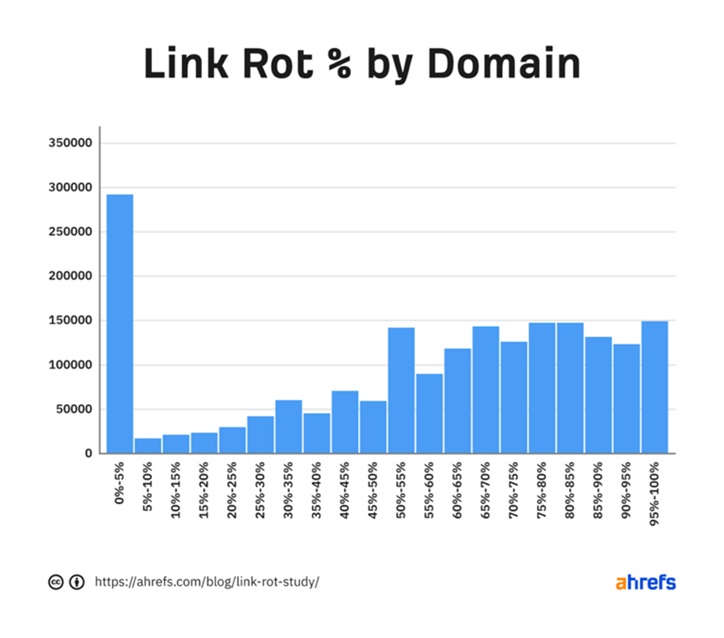
Ahrefs’ link-rot study found that at least 66.5% of links to the sampled websites rotted over nine years, and that decay creates two very real benefits of broken link building:
- You help site owners fix broken citations, which is a win for their readers.
- You can suggest a relevant replacement when you truly have the best resource.
When you find broken links, contact the site owner and offer your page as a relevant replacement. Broken links on resource pages are often especially strong outreach opportunities because the publisher already curates helpful references.
Source: Ahrefs
This means that broken link building works best when you already have, or can quickly build, a strong replacement asset. We can help you with that if you don’t really know where to start.
Benefit #6: It helps both Google and humans find the good stuff faster
As mentioned earlier, plain-old discovery is one of those weirdly underrated benefits of link building. Google Search and other search engines use links to find new pages and understand relationships between them, and humans do the same.
The truth is that in 2026, most sites aren’t a single blog post away from greatness. They’re messy ecosystems, and they need smart links (both internal and external) to make their best pages easier to discover and easier to trust.
The low-hanging fruit here is to audit your internal links first. Your most important pages should be reachable in a few clicks, with anchor text that actually describes what someone will find after the click and includes relevant keywords to help search engines understand the destination page.
Benefit #7: It makes your rankings less fragile over time
The slightly uncomfortable part in all this is that you’re never truly done with link building. Consistently building links and maintaining them are what help stabilize search rankings over time, because links keep eroding. That Ahrefs stat regarding link rot that we mentioned earlier is the perfect example.
A strong backlink profile can also protect performance during algorithm updates, since authority is spread across multiple quality links instead of a few fragile wins.
That means you need consistent acquisition and reclamation so your authority doesn’t depend on a handful of aging wins from 2021. For this benefit, you’ll need to get your hands dirty with “boring” link maintenance: reclaiming broken URLs, redirecting retired pages properly, and monitoring lost links to preserve all that value you already worked so hard to earn.
Benefit #8: The less-talked-about benefits of guest posting for link building
Guest posting gets a bad reputation because people used it like a vending machine for a long time, and the same goes for guest blogging. And that approach worked very well… until Google got annoyed and started punishing manipulative link building practices.
But if you can do it like an adult, there are actually a ton of benefits. The best guest posts earn contextual links inside high quality content on relevant sites.
For one, guest posting can earn links that come with context, such as your expertise and backstory, placed in front of just the right audience. That’s what we here at Tlinks call a trust transfer.
So the play is really simple, but that doesn’t mean it’s easy. You need to contribute something that a real editor would want, even if links didn’t exist. Then the link is just the receipt.
Benefit #9: Link building benefits of PR
Press releases won’t replace a real outreach strategy, and they shouldn’t be abused as a link scheme (Google explicitly mentions press releases in its link spam examples).
But digital PR still matters because earned attention often leads to the kinds of mentions and citations that are hard to fake, and 84% of journalists say PR pros inspire at least some of their stories. It also helps create brand association with news sites and other authoritative publications.
It’s easy to be fooled into thinking that the main benefit here boils down to press release backlinks, but in fact, the main benefit is being cited in articles, roundups, resource lists, and industry explainers that people and search engines treat as credible. International companies use this technique quite often. That kind of coverage can support both SEO and AI optimization by earning credible mentions and high quality backlinks.
Benefit #10: Being referenced in AI-driven search experiences
In 2026, the benefits of link building include a new-ish layer of being the source that gets referenced in AI-generated search results.
Effective link building also influences whether brands get cited in AI-driven search experiences, and link quality helps determine which sources look reliable enough to surface there.
Authority signals and citations still shape which sources get pulled into summaries, and quality links from authoritative sources can increase domain authority, strengthening visibility in AI summaries as well as organic results. If you’re in a competitive SaaS category, this becomes a moat-building exercise. Basically, you want the web to agree you’re legit, in ways that persist across interfaces.
Top benefits of using Ahrefs for link building
Half the reason people struggle with link building is that they’re trying to do it by vibes instead of using specially designed tools like Ahrefs. The top benefits of using Ahrefs for link building come down to three things, and tools like Ahrefs help plan link building campaigns with data instead of guesswork:
- Finding opportunities faster
- Prioritizing with data
- Protecting what you’ve already earned
Here’s a quick table summarizing what Ahrefs can do for your link building efforts, including how competitor backlinks can inform link building tactics by showing which sites already link to similar content:
| What you’re trying to do | The Ahrefs feature that helps | Why it matters |
|---|---|---|
| Find sites that link to competitors but not you | Link Intersect | Cuts prospecting time and surfaces obvious opportunities |
| Find linkable content and people who already link to similar pages | Content Explorer | Lets you reverse-engineer what earns links in your niche |
| Stop losing links | Alerts | New/lost backlink alerts make link decay visible |
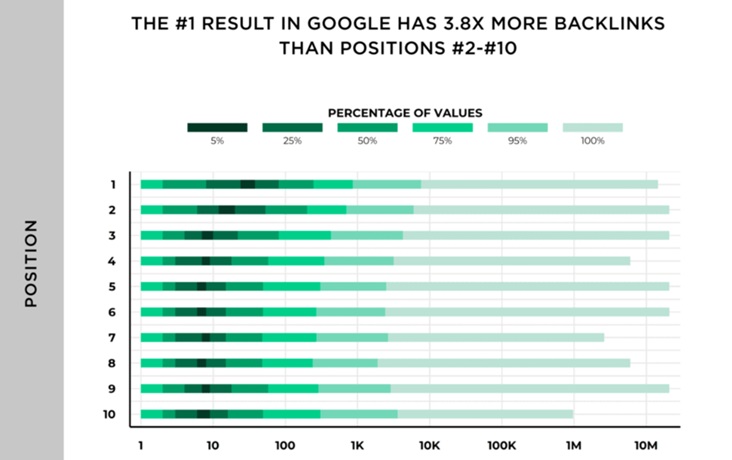
| Explain why top pages rank better | Backlink + referring domain patterns | #1 results average 3.8x more backlinks than positions 2–10 |
But for a clean, predictable system, the tooling is only half the story. The other half is having a process, and if you’d rather skip the trial-and-error phase, check out our pricing plans and pick the level of support that matches your goals while giving you a clearer way to measure link building success over time.
Final word on the benefits of link building
In 2026, the benefits of link building actually come down to compounding advantages that turn growing authority into more organic traffic. With it, you get stronger discovery, stronger trust, more stable performance, and a higher chance of being the cited source, whether someone is searching on Google, scanning an AI summary, or reading an industry newsletter.
At 53% of trackable web traffic, organic search remains a massive revenue driver, so you really need to approach link building strategically to get the full benefits. Link worthy content and high quality content remain central here, especially since 91% of B2B marketers use content marketing to promote brand awareness. Dig into our blog for frameworks and examples that make the work feel less like guesswork, or simply book a call and let us help directly.