Digital public relations has become one of the most effective ways for growth-minded brands to earn press coverage, build credibility, and improve organic search rankings – all at once.
If you’re a SaaS founder or marketing leader tired of vanity metrics and looking for measurable impact, this guide breaks down exactly how digital PR works in 2026 and how to use it.
Key Takeaways
- Digital PR blends traditional PR skills with modern digital marketing goals – content marketing, search engine optimization, and social media marketing – to earn editorial coverage and high quality backlinks from authoritative publications. Effective digital PR requires measurable outcomes and clear business objectives, not just impressions.
- Successful digital PR campaigns are trackable: you can measure website traffic, referral leads, keyword rankings, brand mentions, and conversion lift. Digital PR campaigns can be tracked and measured effectively using the same analytics tools you already rely on.
- The best digital PR tactics combine newsworthy content, data-driven research, and targeted outreach to land press coverage that drives both brand awareness and SEO results. Tlinks acts as a go-to link building partner for digital PR campaigns that prioritize editorial links from high authority sites.
- In this article, you’ll learn: core concepts and definitions, the benefits of digital PR, how to plan and execute campaigns, digital PR strategies that work, how to measure results, and what generative AI means for your visibility.
What Is Digital PR in 2026?
Digital PR is an online marketing strategy used to increase web presence through earned media. It uses online publications, blogs, podcasts, and social media to build brand visibility through online channels – earning editorial coverage and backlinks that directly support search engine rankings.
Unlike traditional advertising or paid media, digital PR focuses on generating online visibility and referral traffic by creating stories journalists want to cover. A successful digital PR campaign is measurable: you track high quality backlinks, keyword movement, referral traffic, and sign-ups – not just “impressions.”
Consider Wave Connect, a digital business card platform. They published a remote-work cities ranking study analyzing U.S. cities by internet speed, salaries, and safety. The result? 36 editorial backlinks from outlets with DR 70–94, regional and national press coverage, and improved brand recognition in the “remote work” conversation – a topic their target audience cares about deeply.

Source: AI
Digital PR vs. Link Building vs. Traditional PR
These three disciplines overlap but serve different primary goals. Digital PR sits at the intersection: it builds brand authority like traditional public relations, and it earns backlinks like link building – but the narrative and newsworthiness come first.
Traditional PR relies on print media, TV, and radio. Digital PR uses online channels like social media and blogs, and it allows for easier tracking of campaign results. Pure link building focuses narrowly on search engine results through backlink acquisition, sometimes via guest posts or directories.
| Aspect | Digital PR | Link Building | Traditional PR |
|---|---|---|---|
| Primary Goal | Brand authority + SEO + measurable business growth | Improve search rankings via backlinks | Broad reputation via offline media channels |
| Main Channels | News sites, industry publications, podcasts, social media platforms | Guest posts, resource pages, digital publications | Print publications, TV, radio, events |
| What Gets Measured | Backlinks + traffic + rankings + media mentions + conversions | Link count, domain rating | Impressions, PR value, share of voice |
| Example Tactic | Original research report + journalist outreach | Cold outreach for guest post placement | Press releases to print media outlets |
| Typical Outcome | Sustained organic traffic, brand credibility, AI citations | SEO lift on specific keywords | Brand prestige, offline awareness |
Tlinks specializes in editorial outreach where digital PR and SEO meet – securing links and mentions from authoritative publications through proven link building techniques, not generic directories.
The Benefits of Digital PR for Ambitious Brands
Digital PR enhances marketing by building brand authority across multiple channels. Here’s what that means in practice:
Brand awareness and trust. Recurring media coverage in relevant news outlets keeps your brand top-of-mind. 77.6% of UK consumers research brands online before purchasing – and B2B buyers are even more thorough. Digital PR builds brand authority by positioning companies as thought leaders that potential customers trust.
SEO and organic traffic. Digital PR supports SEO by generating high-quality backlinks from respected publications. Google’s E-E-A-T framework emphasizes authoritative, trustworthy content – and editorial coverage from credible media outlets directly supports that. According to BuzzStream’s 2025 State of Digital PR report, 89.6% of practitioners rate digital PR as effective for building backlinks, while 77.5% credit it for driving organic traffic. Digital PR can generate long-lasting traffic after publication.
Reputation management. Digital PR helps shape a positive digital footprint for brands by pushing expert commentary, case studies, and positive coverage into search engine results. Digital PR fosters trust through positive online mentions and reviews.
Social proof and conversion lift. Logos from well-known news outlets on your landing page improve conversion rates. Digital PR complements paid advertising by enhancing brand recognition – enterprise buyers especially respond to this kind of social proof.
Investor and partner credibility. VCs routinely Google brands before meetings. Strong press coverage and consistent brand mentions signal traction. Digital PR enhances brand visibility in competitive markets where every edge matters. Digital PR integrates with social media to amplify brand messages beyond the initial placement, and it can drive website traffic through media coverage for months after the original story runs.
Core Digital PR Strategies You Can Use
Digital PR strategies include creating shareable assets to attract links, but the best campaigns combine several approaches. Here are the digital PR tactics that consistently produce results:
Data-driven research campaigns. Mine your product data or run surveys to create reports like “2026 SaaS Churn Benchmarks.” Data-driven content marketing attracts high-quality backlinks for SEO, and data-driven research studies attract media coverage because they give journalists something new to write about. Fractl’s campaign for Adobe Express produced 2,144 links from a single study, with placements in The New York Times and TechCrunch.
Newsjacking. Newsjacking enhances online visibility by reacting to trends – monitoring breaking stories (AI regulations, market shifts) and offering expert commentary within hours. Platforms like HARO and Qwoted connect you with journalists on deadline.
Thought leadership. Placing bylined articles and podcast interviews in industry publications builds founder credibility. Press releases are essential for announcing business news, but they work best when paired with a broader digital PR strategy. Influencer marketing builds credibility and expands audience reach when you partner with respected voices in your space.
Product launches. Frame releases around market trends and user impact, not features. Visual storytelling helps share complex concepts in an engaging way – infographics, short videos, and interactive tools all serve this purpose.
| Strategy | Primary Goal | Best Channels |
|---|---|---|
| Data-driven research | Backlinks + media coverage | News sites, trade blogs, social media |
| Newsjacking | Rapid brand visibility | Online channels, journalist platforms |
| Thought leadership | Brand authority + credibility | Podcasts, industry publications, newsletters |
| Product launches | Sign-ups + press coverage | Tech media outlets, social media channels |
| Influencer partnerships | Audience reach + trust | Social media platforms, online communities |

Source: AI
Planning a Successful Digital PR Campaign
Planning a digital PR campaign isn’t about checklists – it’s about connecting the right story to the right audience through the right media channels.
Set objectives. Set clear, measurable goals for your digital PR campaign. Instead of “get press,” try: “Earn 20 high quality backlinks (DR 60+) and secure 5 media mentions for our new feature by Q3 2026.” SEO impacts are often an explicit objective of digital PR campaigns, and stating them upfront keeps everyone aligned.
Audience research. Map your target audience: where do they spend time online? Which podcasts do they listen to? Which newsletters do they read? Which industry publications do they trust? Your target customers determine your media list.
Topic and angle selection. Use keyword research and social listening tools to find topics that are both newsworthy and aligned with search intent. A topic like “SaaS pricing experiments in 2025” has tension, data potential, and relevance to your buyers. Create newsworthy content that overlaps with what your audience is searching for.
Format and channel choice. Decide between a research report, interactive tool, infographic, or opinion piece based on the story and the media outlets you’re targeting.
Timeline. A realistic campaign calendar: ideation in month one, data collection in month two, launch and outreach in month three. Monitor website traffic changes after launching a digital PR campaign. Use media monitoring tools to track brand mentions online from day one.
Creating Newsworthy Content That Journalists Actually Use
Without newsworthy content, even the best outreach falls flat. PR professionals know that journalists are drowning in pitches – your content needs to earn attention.
The core elements of newsworthy content: timeliness (tied to current industry trends), relevance (matters to the publication’s readers), tension (challenges assumptions), data (offers proof), and human impact (affects real people or businesses).
Structure flagship assets for easy consumption. A “2026 State of B2B SaaS Onboarding” report should include an executive summary, three to five quotable statistics, clean charts, and a methodology section. Make journalists’ jobs easy and they’ll cover you.
Turn a single asset into multiple pieces: the full report lives on your own website, excerpts become LinkedIn carousels, key findings become short explainer videos, and tailored pitches go to different journalist beats. Relevant content travels further when you package it for each platform.
Example: Imagine a Series B SaaS brand that analyzed customer usage data and discovered teams using fewer tools ship 25% faster. That counterintuitive insight lands interviews with productivity outlets, links from tech blogs, and social media sharing across communities where their target customers gather.
Outreach, Press Coverage, and Relationship-Driven Link Building
Digital PR efforts succeed when outreach is targeted and respectful – not mass-emailed press releases blasted to every journalist in a database. Targeted media outreach increases response rates from journalists because you’re offering something relevant to their beat.
Build and segment media lists by beat, region, and format. “EU fintech reporters” is a different list than “US HR tech newsletters.” Write pitch emails with a clear hook in the subject line, a two-sentence summary, two to three key stats, and a simple call-to-action (embargoed access or an exclusive quote).
The goal is both editorial coverage and high quality backlinks. Politely request a link where appropriate, but never push anchor text or manipulative language – that crosses into territory that hurts your brand’s reputation and violates link building best practices.
Long-term relationships with journalists and editors matter more than one-off placements. Follow up once or twice, spaced by a few days, then move on. Build relationships over months and years. Tlinks runs this outreach at scale across global markets as part of broader link building strategies, focusing on editorial placements that boost both visibility and SEO.
Using Social Media Marketing and Content Marketing to Amplify Digital PR
Digital PR doesn’t end when an article is published. Amplification via social media and content marketing multiplies the impact of every placement across multiple channels.
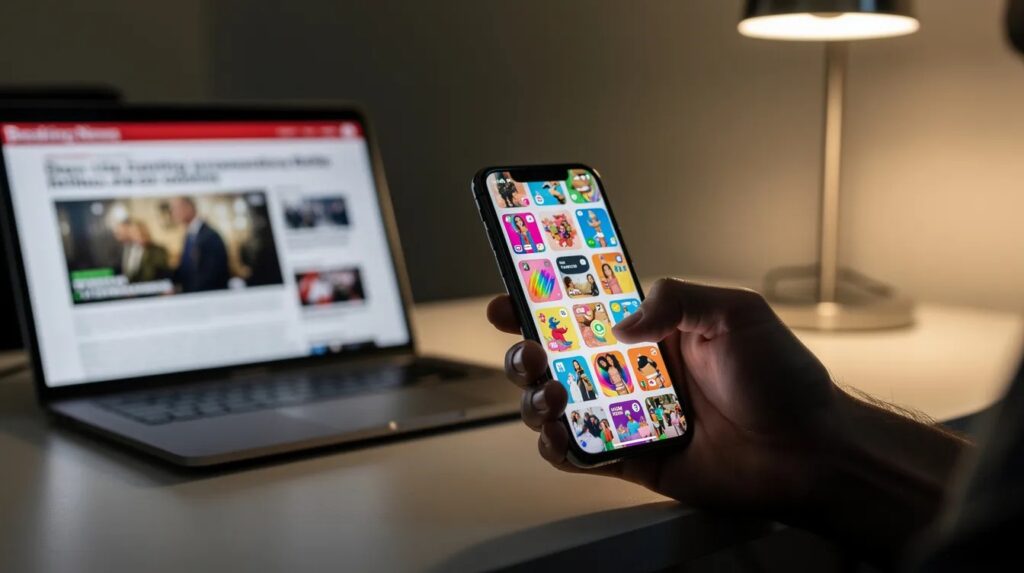
Turn every major press hit into social content: post on LinkedIn and X, tag the journalist and publication, and encourage resharing. Build a simple amplification playbook – day-of-launch announcement, recap thread the next day, newsletter highlight within a week, and evergreen resharing in future content.
Host coverage on your own website with an “In the News” or “Press” page. Use internal links from relevant blog posts and product pages to those press features. For SaaS-focused link building campaigns, this creates a flywheel: press coverage earns backlinks, social amplification drives referral traffic, and on-site content strengthens your overall SEO strategy.
Source: AI
Measuring Digital PR Results and Proving ROI
Digital PR campaigns should be evaluated with concrete, trackable metrics so founders and marketing leaders can justify budget and refine their digital PR strategy. Analyze referral traffic from media placements to gauge effectiveness and connect coverage to business outcomes.
| KPI | Target Value | Tool |
|---|---|---|
| High quality backlinks earned | 30+ links from DR 60+ sites | Ahrefs, Moz |
| Referral traffic from PR placements | Measurable increase month-over-month | Google Analytics (GA4) |
| Branded search volume growth | 10–30% increase over campaign period | Google Search Console |
| Keyword ranking improvements | Target keywords moving into top 10–20 | SEMrush, Search Console |
| Conversion from PR referrals | Demo/trial sign-up rate from PR traffic | CRM + UTM tracking |
Set up analytics properly: UTM-tagged links in press-related CTAs, custom landing pages for specific campaigns, and dashboards combining traffic, backlink, and conversion data. Also evaluate coverage qualitatively – sentiment, prominence of your brand mention, and whether quotes position your leaders as experts.
At Tlinks, we report link-level impact (traffic, rankings, conversions) so clients see exactly which placements move the needle. Explore our transparent pricing to see how this works in practice.
Digital PR, Link Building, and Generative AI Answer Engines
Generative AI systems like ChatGPT, Google Gemini, and Perplexity rely on trusted, high-authority content to generate answers. This makes digital PR and link building more critical than ever. According to Muck Rack’s 2025 study, 84% of AI citations come from earned media sources – paid content contributes roughly 0.3%.
Strong digital PR increases the chances of your brand being cited in AI-generated answers. When your content is frequently referenced by reputable publications, AI models treat it as authoritative. Brand mentions – even unlinked – contribute to entity recognition in these systems.
Reputation management now includes monitoring AI-generated statements about your brand and countering outdated or inaccurate information with fresh, authoritative coverage. Integrate AI-era monitoring into your digital PR dashboards, tracking citation frequency, sentiment, and which media outlets AI systems appear to favor.
When to Partner With a Digital PR and Link Building Agency
Many SaaS and tech teams hit a ceiling doing digital PR in-house. Limited journalist relationships, time constraints, and technical SEO gaps make it hard to sustain results. Corporate communications teams often lack the search engine optimization expertise needed to maximize the benefits of link building from press coverage.
Consider an external partner when you’re entering new international markets, preparing for funding rounds, facing reputational challenges, or needing to scale link acquisition without spam.
Look for transparent reporting, white-hat outreach methods, sector experience in B2B SaaS, and a proven ability to win both editorial coverage and links. Tlinks is built for exactly this: editorially-earned, relevant links as part of broader digital PR strategies that drive business growth.