Every SaaS company competing for organic search visibility faces the same challenge: backlinks improve search engine rankings, but scattered, ad hoc link building rarely moves the needle.
A structured link building campaign, with clear goals, defined tactics, and measurable KPIs, is how brands go from page three to page one and stay there.
This guide walks you through planning, executing, and measuring an entire campaign, step by step.
Key Takeaways
- A link building campaign is a time-bound, goal-driven initiative lasting 3 to 6 months, distinct from ad hoc link building or one-off outreach bursts.
- Effective link building in 2026 blends scalable tactics (broken link building, brand mentions, competitor backlink analysis) with high-authority association tactics (guest posting, digital PR, thought leadership).
- For SaaS and fast-growing brands, the goal is not just to build links; it is to earn links that drive qualified sign-ups, demos, and revenue.
- Tlinks is the go-to white-hat link building partner for SaaS companies. Book a free strategy call to map out your next campaign.
- This article covers every phase: goal setting, audits, competitor analysis, content creation, outreach, anchor text strategy, measurement, and common pitfalls, with concrete examples, tools, and FAQs.
What Is a Link Building Campaign (in 2026)?
A link building campaign is a structured, time-bound initiative to earn backlinks from external websites to your own site. Unlike scattered one-off activities, a link building campaign has a defined start and end date, specific link targets (e.g., 40–60 new referring domains), priority pages that need link equity, and KPIs tied to business outcomes like organic sign-ups or trial starts. Link-building campaigns typically last 3 to 6 months and aim to earn high-quality backlinks from authoritative sites.
Backlinks act as votes of confidence for a website. When other websites link to your content, search engines treat those links as signals of trust. Building links in 2026 affects both classic search results and AI-powered answer surfaces like Google SGE, Perplexity, and ChatGPT with browsing. Brands that accumulate citations from authoritative sources appear more frequently in these new surfaces.
Two modes of link building coexist:
- Always-on link building: ongoing baseline efforts such as monitoring brand mentions, maintaining directory listings, and reclaiming lost links.
- Campaign-based link building: intensive sprints with a specific goal, like launching a new product page, entering a new market, or ranking for a competitive category term.
Most SaaS companies benefit from running both. The campaign generates momentum; the always-on work prevents backsliding.
Why an SEO Link Building Campaign Still Matters for SaaS Growth
Backlinks improve search engine rankings; that fact has not changed. Top-ranking pages have 3.8 times more backlinks than lower ranks. Pages with zero referring domains receive almost no traffic from Google, according to Ahrefs’ research on backlinks and traffic. For SaaS companies in competitive verticals, this means the difference between being found and being invisible.
A well-executed campaign connects directly to growth:
- Higher rankings for competitive SaaS terms (e.g., “project management software,” “customer success software”) where organic traffic translates to sign-ups
- Increased branded and non-branded organic traffic to pricing, features, and comparison pages
- More brand mentions in authoritative industry content, boosting trust signals for both humans and algorithms
- Better inclusion in AI-generated overviews that favor well-cited brands
High-quality backlinks enhance domain authority and trustworthiness. For B2B and SaaS specifically, referral traffic from relevant backlinks often converts better than cold paid traffic because the reader arrives with context and intent. Quality backlinks drive referral traffic to your site from audiences already interested in your category.
Link building improves organic search potential by increasing topical credibility. Backlinks help search engines discover and index content more quickly. And unlike paid campaigns that stop delivering the moment the budget runs out, each high-quality backlink can drive value for years. The benefits of link building compound: a link earned today continues to pass link juice and referral traffic long after the campaign ends.
Two Core Types of Link Building: Link Producers vs. Association Producers
Most effective link building strategies fall into two buckets, and understanding the difference helps you allocate resources.
Link producers are tactics that scale. These include broken link building (finding dead links on resource pages and suggesting your content as a replacement), unlinked brand mention reclamation, and scaled email outreach to “best tools” lists and resource pages. They are faster to execute and ideal for building baseline authority. A SaaS company might reclaim 15–20 links in a month just by identifying pages that mention the brand without linking to it.
Association producers build reputation. Guest blogging on industry-leading publications, digital PR campaigns, podcast interviews, and expert commentary in third-party content all fall here. Digital PR earns links through newsworthy stories and campaigns. Digital PR can help earn backlinks through media coverage when you have original data or a compelling angle. These tactics are slower and more resource-intensive but produce editorial links that carry trust and brand visibility.
Concrete examples:
- Link producers: reclaiming links to broken product pages on your own website; pitching your guide as a replacement for an outdated competitor resource on a niche blog
- Association producers: publishing a guest post on a SaaS review blog with proprietary benchmark data; running a survey of 500 product managers and pitching results to news sites
A modern, effective link building campaign should intentionally mix both types. Sustainable link building focuses on earning genuine editorial trust rather than gaming metrics. This mix is one of the core things Tlinks designs in client strategies: foundation links for quick authority gains, combined with editorial placements for long-term brand strength.

Source: AI
What Makes a Backlink Valuable Today?
Not every link is equal. Some links pass link power and referral traffic; others can be ignored or even harmful. Valuable backlinks should be contextually relevant and naturally placed. Quality backlinks from relevant sites are more valuable than many unrelated links.
| Factor | High-Value Example | Low-Value Example |
|---|---|---|
| Authority (DR/DA) | Contextual link from a DR 80+ SaaS publication with real traffic | Directory listing on a DR 20 site with no visitors |
| Relevance | Article on a software review site in your niche | Fitness blog linking to B2B project management software |
| Link placement | In-body, within editorial content | Footer, sidebar, or link block |
| Anchor text | Branded or partial-match, flowing naturally in a sentence | Exact-match commercial keyword forced into unrelated text |
| Technical attributes | Dofollow link from a clean, fast-loading site | Site-wide footer link, nofollow-only, or paid scheme |
Key factors to evaluate link quality:
- Authority: links from respected sources enhance a site’s authority and credibility. Backlinks from authoritative sites boost SEO performance.
- Topical relevance: same or closely related niche to your own site
- Link placement: in-body contextual links carry more link equity than footers
- Anchor text safety: natural and varied vs. over optimized anchor text
- Technical attributes: follow vs. nofollow vs. sponsored vs. user generated content tags
Even nofollow links can be useful for brand signals, referral traffic, and AI visibility. They belong in a diversified campaign. But avoid link networks, link farms, or obvious paid link schemes. Tools like Ahrefs’ “Referring IPs” report can expose when many referring domains belong to the same network. Spammy links from spammy sites risk manual or algorithmic penalties.
Steps For Creating a Link Building Campaign
Below are 10 steps for creating the perfect link building campaign:
Step 1: Set Clear Goals, Budgets & KPIs for Your Campaign
Link building campaigns should be goal-oriented and planned with clear tasks. Any serious building campaign starts with business goals, not “we want more links.” Campaigns should include setting clear goals and performance indicators before a single outreach email is sent.
Concrete goals for SaaS companies:
- Rank top 3 for “[product category] software” by December 2026
- Increase organic sign-ups by 30% in Q1 2027
- Double non-branded organic traffic to pricing and features pages
Translate those goals into measurable KPIs: number of new referring domains per month, growth in organic traffic to target URLs, changes in keyword rankings and impressions via Google Search Console.
| Goal | Metric | Target Date |
|---|---|---|
| Rank top 3 for “CRM software” | Keyword position in SERP | Dec 2026 |
| 30% more organic sign-ups | Trial starts from organic | Q1 2027 |
| Double non-branded traffic | Sessions to /pricing, /features | Jun 2027 |
Set a realistic monthly budget. Seed-stage SaaS companies often invest $3,000–$7,000/month for link building and content. Mid-market or highly competitive niches may require $10,000–$30,000+/month depending on volume and desired authority level.
Step 2: Audit Your Existing Backlinks & Content Assets
Before planning a new building campaign, you need to know your starting point. Your backlink profile tells you what foundation you are building on.
Run a backlink audit with tools like Ahrefs, Semrush, or Moz:
- Identify your total referring domains and the distribution of domain authority across them
- Spot patterns in anchor text (branded vs. commercial vs. exact-match)
- Flag obviously toxic domains for potential disavowal
Check for broken links pointing to your own site. If external websites link to pages that now return 404 errors, you are leaking link equity. Fix broken links by setting up 301 redirects or recreating the content. This is a quick-win form of broken link building that recovers value you have already earned.
Perform a mini content audit:
- Identify pages already attracting backlinks (these are your proven assets)
- List existing linkable assets: in depth articles, calculators, benchmark reports
- Note content gaps where new assets could fill a void competitors have already covered
Tlinks typically starts engagements with a detailed link and content audit to avoid building on a weak or toxic foundation. Without this step, even well-executed outreach produces diminishing returns.
Step 3: Analyze Competitor Backlinks & Find Your Angle
Competitor backlinks reveal what the market already rewards. Analyzing competitor backlinks can reveal potential link opportunities you would otherwise miss. Successful campaigns often involve keyword research and competitor analysis before any outreach begins.
How to do it:
- Export competitor backlinks from tools like Ahrefs or Semrush
- Filter for links from blogs, niche media, and SaaS directories (ignore low-quality or irrelevant sources)
- Identify patterns: are most inbound links going to benchmark studies, ROI calculators, or comparison pages?
Prioritize domains that link to multiple competitors but not yet to you. These are high-probability link prospects because they have already demonstrated willingness to link within your niche.
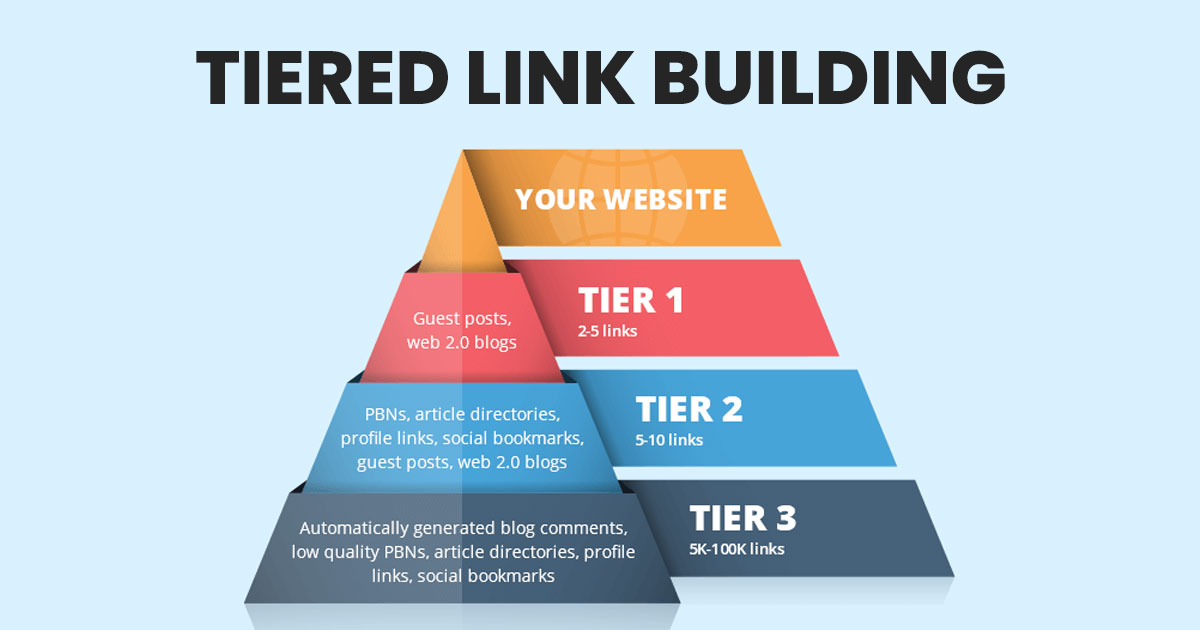
Tag prospects into tiers:
- Tier 1: high-authority, hyper-relevant SaaS publications
- Tier 2: mid-tier niche blogs and communities
- Tier 3: long-tail resource pages and smaller relevant sites
Example: a CRM startup analyzing competitor backlinks might discover that “sales email templates” guides win the most SaaS links. That insight shapes content creation priorities.
Step 4: Choose the Right Mix of Link Building Campaign Types
Your campaign type should reflect your internal strengths (content creation, PR, engineering) and your niche’s competitiveness. Picking the right link building strategies is half the battle.
Core campaign types:
- Content-led campaign: produce industry reports, interactive tools, or original research that naturally attracts backlinks
- Broken link building & link reclamation campaign: find dead links on relevant websites and propose your content as a replacement; fast initial wins
- Guest posting & thought leadership campaign: write for other sites to build trust and authority; slower but high-value
- Digital PR & news-driven campaign: pitch newsworthy data or survey results to journalists and editors
Content-led campaigns work best for companies with strong internal writers or data teams. Broken link building suits niches with many outdated resources. Guest posting excels when you have genuine expertise to share.
Effective link building means picking one primary and one secondary campaign type for a 3–6 month window. Tlinks often combines at least two types in parallel so clients get both quick wins (reclamation, broken link outreach) and long-term authority gains (guest posts, PR placements).
Step 5: Build & Optimize Linkable Assets (Content Creation)
Without something link-worthy, outreach fails. Effective link-building campaigns utilize outreach and content creation in tandem, but the content must come first. Creating linkable assets like original research can attract backlinks without any pitch at all. Content-based link building creates shareable guides or tools that other sites want to reference.
High-performing asset types for building links in SaaS:
- Data-backed reports (e.g., “2026 State of DevOps Metrics”)
- Free tools and calculators (ROI calculators, savings estimators)
- Deep how-to guides and comparison pages
- Original research and surveys within your ICP
Creating linkable assets like infographics, calculators, or interactive tools can earn links organically because they provide standalone value. Each asset should solve a real problem better than existing search results. Structure them with clear H2/H3 headings, bullet points, and fast load times. Include obvious next steps: CTAs for trials, demos, or downloads.

Source: AI
One case study illustrates this: a project management SaaS startup created a 5,200-word pillar guide and a project timeline calculator in early months. Over 18 months, they grew from 34 to over 500 referring domains.
Step 6: Prospecting – Building Your Outreach List
Prospecting is where strategy turns into a contact list for your building campaign. The goal is to identify link prospects who are both relevant and reachable.
How to find prospects:
- Use Google operators to find resource pages and “best tools” lists (e.g., site:domain.com + “resources”)
- Mine competitor backlinks for relevant referring domains you have not yet contacted
- Identify journalists and editors covering your topic via Twitter/X, Muck Rack, or similar tools
Criteria for a good prospect:
- Topical relevance to your niche
- Decent authority (DR 30+ for most SaaS niches)
- Real organic traffic (avoid sites that exist only to sell links)
| Prospect Category | Preferred Pitch Type |
|---|---|
| SaaS blogs | Guest post with unique data |
| Resource/comparison pages | Inclusion or broken link replacement |
| Podcasts | Expert interview or co-hosted episode |
| Newsletters | Sponsored mention or expert quote |
Build a prioritized list (Tier 1–3) in a spreadsheet or CRM with columns for contact name, email, site URL, last contact date, and status. Use the best link building tools to speed up this process.
Step 7: Outreach Strategy – Emails, Brand Mentions & Relationship Building
Personalized outreach beats mass blasts. Cold outreach involves personalized communication to request backlinks, and outreach is essential for suggesting content to other website owners. Cold outreach requests backlinks through personalized communication; generic templates get deleted.
Outreach modes:
- Cold email for guest posting or resource page inclusion
- Broken link outreach where you flag a broken link and propose your replacement content
- Brand mention outreach to convert unlinked brand mentions into live backlinks
Use monitoring tools like Google Alerts or Mention to find unlinked references to your SaaS brand. When you spot a brand mention without a link, reach out politely and ask the site owners to add one. This converts existing goodwill into link equity with minimal effort.
Best practices for outreach messages:
- Subject lines that reference a specific article or issue on the target site
- Short, direct body copy explaining the value to their target audience
- 1–2 respectful follow-ups spaced 4–7 days apart
Track response rates, link-won rate, and time-to-link in a simple dashboard. These metrics let you optimize messaging and targeting as the campaign progresses.
Step 8: Core Tactics – Broken Link Building & Guest Posting
Two of the most reliable link building tactics for a building campaign are broken link building and guest posting.
Broken link building starts with finding resource pages in your niche that contain dead links (URLs returning 404 errors). Broken link building suggests your content as a replacement for dead links. Broken link building suggests replacements for dead links on sites that still receive traffic. Use Ahrefs’ “broken backlinks” report or browser extensions to scan for these. The basic pitch: “I found a broken link on your page; here is a better, up-to-date resource to replace it.” For a deeper walkthrough, see the broken link building playbook.
Guest posting involves writing for another site for backlinks. Guest posting can improve backlinks and brand visibility when the content provides genuine value. In 2026, editorial standards are high; guest blogging works only when you pitch 1,000–2,000 word, non-promotional posts with unique angles or proprietary data. Use natural, contextually relevant anchor text rather than forcing commercial phrases.
Quick reference:
- Broken link building dos: target high-traffic pages; confirm the dead links still exist; provide content that matches the removed resource
- Broken link building don’ts: send generic mass emails; push commercial messaging; select irrelevant pages
- Guest posting dos: propose original topics useful to the site’s audience; include data and visuals; use natural anchors
- Guest posting don’ts: write promotional content; overuse exact-match anchors; target low-quality sites for volume
Tlinks runs both broken link building and guest posting at scale using a fully human, white-hat outreach process. If you lack time or capacity for these tactics, reach out to Tlinks to handle them.
Step 9: Anchor Text Strategy & Risk Management
Anchor text is the clickable text of a link and a key signal for search engines. Over-optimized anchor text can trigger algorithmic penalties. Getting this wrong can undo months of link building efforts.
Anchor text categories:
- Branded: “Tlinks”
- Brand + keyword: “Tlinks link building services”
- Partial match: “SaaS link building campaign guide“
- Generic: “this guide,” “learn more”
- Exact match: “best CRM software for startups” (highest risk)
According to Orbink’s 2025 benchmark of 623 campaigns, campaigns that held their rankings kept exact-match anchor text under 7%. Branded anchors made up 48–64% of the profile, partial-match 10–15%, and topical/generic filled the remainder. Exceeding 9–10% exact-match correlated with ranking drops.
For a typical SaaS link building approach, lean heavier on branded and partial-match anchors. Exact proportions vary by niche and competitor profiles, but keeping exact-match under 10% is a safe baseline. Following link building best practices for anchor text is part of the specialist work Tlinks handles when designing campaigns.
Step 10: Internal Links, On-Site Fixes & Quick Wins
Not all inbound links must come from other domains. Internal link optimization can amplify every external backlink you earn.
- Review your top-linked pages and add internal links from them to key product, pricing, and feature pages
- Use descriptive anchor text internally (e.g., “see pricing” from a blog post, not “click here”) to clarify topical relationships
- Fix internal broken links and redirect chains that waste link equity
Reclaim and fix broken links to your own pages too. Identify important 404 pages that still have external links pointing to them. Create new content or set up 301 redirects to the closest relevant page.
Example: one SaaS company in the Markertion case study used integration partner directory links early on, then restructured internal links to channel that authority toward commercial pages. The result: a jump from DR 0 to DR 60 in 8 months, with keywords in the top 10 growing from 0 to 312.
These on-site improvements are low-cost, high-leverage quick wins. Front-load them in the first month of the campaign.
How Long Does a Link Building Campaign Take to Show Results?
Timelines depend on competition, website’s authority at the start, and the volume and quality of links acquired. A link-building campaign typically lasts 3 to 6 months before major results appear, but the compounding continues well beyond that.
Realistic expectations:
- 4–8 weeks: first movement in long-tail rankings once new links index
- 3–6 months: noticeable changes for competitive target keywords
- 6–12+ months: authority and organic traffic compounding, with conversion lifts becoming measurable

Source: AI
The Markertion case study showed a SaaS brand growing from 0 to 1,847 keywords in the top 100 over 8 months, with the steepest gains after month 3. Ahrefs has documented that SEO results take time because link equity accumulates gradually.
Measure over at least one full quarter. Run monthly check-ins reviewing link velocity, keyword ranking shifts, traffic to target URLs, and conversion metrics. Adjust outreach targets and content assets based on what you learn.
Tools & Reporting for Monitoring Your Campaign
Without tracking, you cannot optimize your building campaign or prove ROI. Tracking link acquisition is crucial for measuring a campaign’s effectiveness.
Core tool categories:
- Backlink tools (Ahrefs, Semrush, Majestic): track new/lost links, referring domains, DR/DA, and anchor text distribution
- Analytics (Google Analytics 4): measure referral traffic and assisted conversions from link sources; use analytics tools to track traffic from new backlinks
- Google Search Console: monitor impressions, average position, and click-through rates on target URLs; evaluate keyword rankings to measure campaign effectiveness
| Metric | Tool | Frequency | Owner |
|---|---|---|---|
| New referring domains | Ahrefs | Monthly | SEO lead |
| Referral traffic | GA4 | Monthly | Marketing ops |
| Keyword positions | Search Console | Bi-weekly | SEO lead |
| Domain authority changes | Moz | Monthly | SEO lead |
| Anchor text distribution | Ahrefs | Quarterly | SEO lead |
Track the number of backlinks acquired during campaigns. Monitor domain authority changes monthly using tools like Moz. Analyze referral traffic to assess link-building impact on sales. Monitor your backlinks to identify potential penalties early.
Emphasize link quality, not just quantity: DR/DA, topical relevance, and contextual placement matter more than raw numbers. Tlinks clients get transparent, campaign-level reporting with live link lists, metrics, and commentary on traffic, rankings, and conversions.
Common Mistakes That Kill Link Building Campaigns
Cutting corners or rushing through a campaign leads to penalties or wasted budget. Chasing low-quality links can lead to penalties. Avoid unnatural links to maintain SEO integrity.
Typical mistakes:
- Buying links from obvious link farms or private blog networks (spammy links flagged by Google’s algorithms)
- Over-focusing on quantity over quality, stacking up low quality links from irrelevant sites
- Ignoring anchor text diversity and building only keyword-rich exact-match anchors
- Chasing links from off-topic sites just because the domain authority looks good
- Neglecting technical SEO issues (slow pages, thin content) that stop links from having full impact on website’s visibility
Focus on high-quality, relevant backlinks to avoid penalties. Periodically review your backlink profile for toxic patterns. Disavow truly harmful links only when necessary, after confirming they are causing ranking harm.
Partnering with a specialized, white-hat agency like Tlinks helps avoid these pitfalls, especially in high-stakes, competitive SaaS niches where a penalty can cost months of progress.
When to Partner with a Specialist Like Tlinks
Many teams start link building in-house but hit capacity or expertise ceilings within a few months. The link building tactics that work in 2026 demand consistent outreach volume, editorial relationships, and anchor text management that stretch internal teams thin.
Signals that it is time to bring in a dedicated link building partner:
- Your in-house team is strong at content creation but weak on outreach and prospecting across relevant websites
- You are in a competitive SaaS vertical where each high-authority link can be worth thousands in annual ARR
- Past link building efforts have not moved the needle on search engine rankings or sign-ups
Tlinks is built for exactly this scenario:
- Global, human-only, white-hat editorial outreach (no automation, no PBNs)
- Specialization in SaaS link building and ambitious digital brands
- Services include link audits, strategy mapping, outreach to authoritative websites, and transparent campaign reporting showing traffic, rankings, and conversions
| Factor | In-House | Agency (Tlinks) |
|---|---|---|
| Outreach volume | Limited by team size | Scales with dedicated staff |
| Editorial relationships | Built from scratch | Existing network of relevant sites |
| Anchor text management | Often ad hoc | Designed per campaign |
| Time to first results | 3–6 months ramp-up | Accelerated by proven strategies |
Start Your Next Link Building Campaign the Right Way
A successful link building campaign follows a clear sequence: goal setting, backlink and content audits, competitor analysis, asset creation, prospecting, outreach, measurement, and iteration. Each step feeds the next. Skip one, and the whole chain weakens.
Effective link building in 2026 is about relevance, authority, and sustainable white-hat tactics. It is not about shortcuts. Natural links from authoritative sites compound over time, improving your website’s authority and driving organic traffic long after the initial campaign ends.
Take one action this week:
- Audit your current backlinks using Ahrefs or Semrush and identify your top link-building opportunities
- Or skip the learning curve and schedule a free strategy session with Tlinks to design a custom building campaign
Tlinks is the go-to link building partner for SaaS and ambitious brands that care about traffic, rankings, and conversions, not vanity metrics. See transparent pricing or review proven results to get started.